
By: D.R. Walker
You know the sound of a typical school day when everything is normal. Sneakers squeak. Lockers shut. A coach calls across the gym. Somewhere, a front office phone rings.
Now imagine the sound changing.
A student collapses during practice. A staff member experiences a cardiac emergency in the cafeteria. At an evening event, everyone looks around, waiting for someone to know what to do.
In that moment, your Cardiac Emergency Response Plan, or CERP, is not a binder or a file on a shared drive.
It is the coach who calls 911. It is the person who starts CPR. It is the staff member who retrieves the automated external defibrillator, or AED. It is the maintenance check that helped ensure the AED was ready.
Immediate CPR and AED use can more than double the chance of survival from sudden cardiac arrest. When seconds count, a CERP is only as real as the people, equipment, training and habits that bring it to life.

Start With the Response, Not the Checklist
Picture a basketball game. The bleachers are full. A player collapses near half-court.
Who recognizes the emergency? Who calls 911? Who starts CPR? Who retrieves the AED? How quickly can it reach the person? Has anyone practiced what happens next?
Those questions reveal more about readiness than a completed checklist ever could.
A Cardiac Emergency Response Plan is a written and practiced plan that establishes how a school will respond to a cardiac emergency. It can identify responder roles, AED locations, communication procedures, emergency medical services activation and plans for training and drills.
A practical CERP checklist should help you evaluate whether your campus can act when an emergency happens, not simply demonstrate that a plan exists.
Having an AED Doesn’t Mean You’re Ready
You can purchase an AED and still have an access problem.
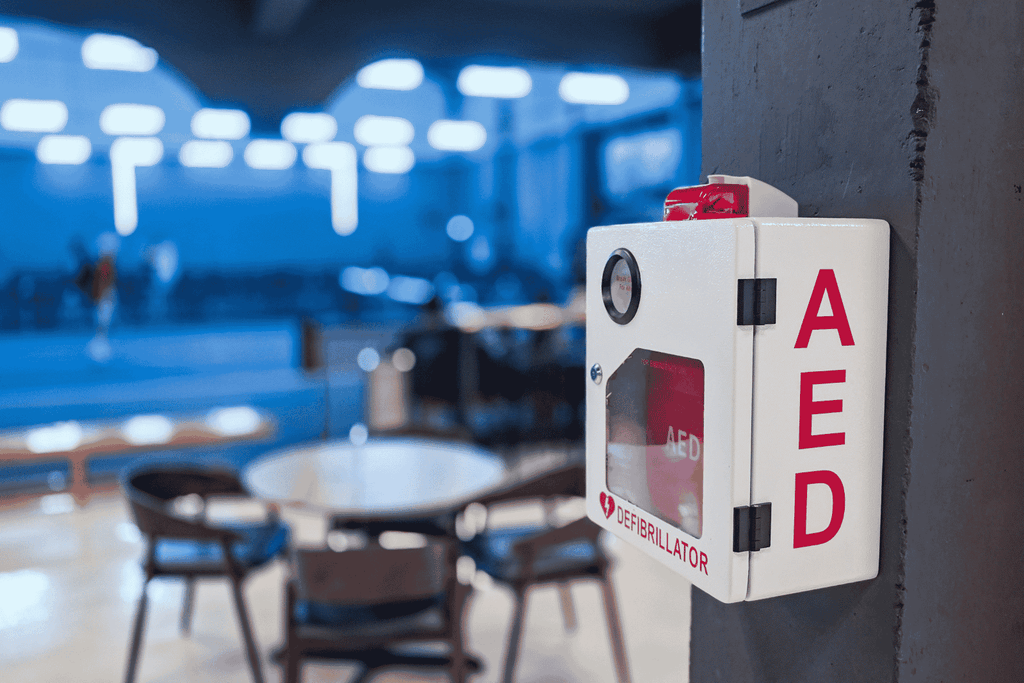
An AED locked in the main office may technically be “on campus,” but who can reach it quickly from the gym, athletic field, auditorium, cafeteria, playground or parking lot?
Instead of asking only, “How many AEDs does our school need?” ask:
How quickly can someone get an AED to the person who needs it?
Walk your campus and test the routes. Think about regular school hours as well as athletic events, performances and after-hours activities. AED placement should be visible, accessible and based on how people actually move through the campus.
Features such as readiness monitoring, CPR feedback, compliance tracking and expiration alerts may support an AED program. Technology, however, cannot replace thoughtful placement, regular maintenance and people who are prepared to act.
People Make the Plan Work
An AED can be nearby and ready, but a person must still take action.
CPR and AED training can help staff recognize a possible cardiac emergency, call for help, begin CPR, retrieve an AED and use it with confidence.
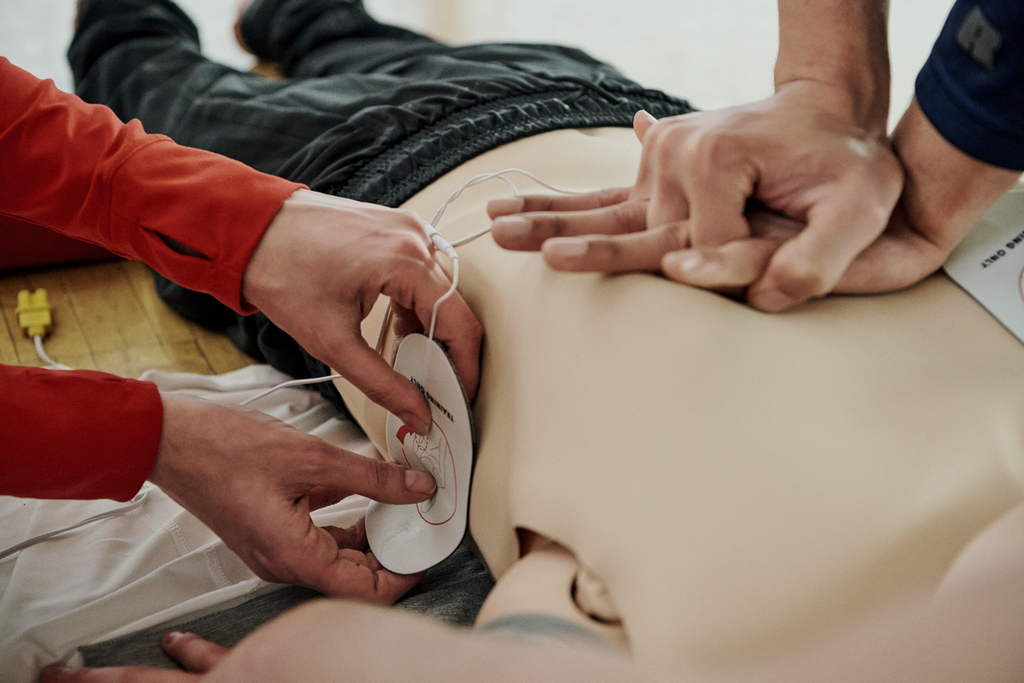
Hands-on practice matters. CPR is a physical skill, and using an AED requires practical action. Staff should have an opportunity to practice compressions, AED pad placement and emergency response steps before having to perform them under stress.
CPR training manikins and AED training devices can extend that preparation beyond a single course. Schools can use them for staff refreshers, student instruction, athletic department practice and CERP drills.
That is why the American Heart Association recommends that schools develop and practice a Cardiac Emergency Response Plan. Practice helps turn a written response into a familiar one.
Give Your CERP a Memory
Most schools have someone who seems to know everything: where the AEDs are located, who is trained, when batteries expire and when the last drill took place.
That person is valuable.
But that person is not a system.
Planning and tracking documents should help preserve critical knowledge through staff changes and shifting responsibilities. Schools should track AED maintenance, training, drills, response roles and other important information while keeping their plan aligned with current guidance and applicable requirements.
Readiness also cannot end when the final bell rings.
Athletic events, concerts, clubs, summer programs, parent nights and community activities may happen when the nurse is gone, the office is closed or certain doors are locked.
Your CERP should work wherever and whenever school life happens.
Build the Response Before the Emergency
Walk your campus and imagine where someone could experience a cardiac emergency. Then work backward.
Can an AED reach that person quickly?
Are trained people likely to be nearby?
Is the equipment accessible and maintained?
Does everyone know their role?
Has the response been practiced?
A comprehensive CERP assessment can help a school identify gaps and determine what to address next.
The American Heart Association can help schools and districts create, implement and evaluate a Cardiac Emergency Response Plan through planning assistance, training and turnkey resources. Support can include guidance related to CPR training, AED considerations, response teams, drills and planning documents.
You do not build a CERP for the binder.
You build it for the moment when the hallway gets quiet, the gym stops cheering and someone needs help.
Build the response before the emergency, so when every second matters, your school has a plan that people are prepared to put into action.

Ready to strengthen your school’s preparedness?
Explore the American Heart Association’s Cardiac Emergency Response Plan (CERP) resources, tools, and support services designed to help schools build, implement, and maintain a coordinated response to cardiac emergencies.
FAQs
1. What Is a Cardiac Emergency Response Plan (CERP)?
A Cardiac Emergency Response Plan (CERP) is a written and practiced plan that outlines how a school or organization responds to a sudden cardiac arrest. A comprehensive CERP typically includes emergency response roles, CPR procedures, AED locations, EMS activation steps, staff training, and regular drills. The American Heart Association recommends implementing and practicing a CERP to improve emergency preparedness.
2. Why Do Schools Need a Cardiac Emergency Response Plan?
Sudden cardiac arrest can affect students, staff, coaches, visitors, or spectators at any time. A Cardiac Emergency Response Plan helps ensure a coordinated response by identifying who calls 911, who starts CPR, who retrieves the AED, and how emergency responders are guided to the scene.
3. What Should Be Included in a School CERP?
A school Cardiac Emergency Response Plan should include designated response team members, AED locations, communication procedures, emergency medical services activation, CPR and AED training requirements, and regularly scheduled drills. The plan should also be reviewed and updated periodically to help maintain readiness.
4. How Often Should a Cardiac Emergency Response Plan Be Practiced?
A CERP should be reviewed regularly and reinforced through emergency response drills. Practicing the plan helps staff understand their roles, identify gaps in preparedness, improve confidence, and support a faster response during a real cardiac emergency.
5. How Can Schools Improve Cardiac Emergency Preparedness?
Schools can strengthen preparedness by implementing a Cardiac Emergency Response Plan, training staff in CPR and AED use, ensuring AEDs are accessible and maintained, conducting response drills, and regularly evaluating their emergency procedures. The American Heart Association offers resources, toolkits, training, and CERP support services to help schools build and maintain effective plans.