By D.R. Walker

The Traditional Role of A PTA
When you think about what a PTA or PTO does, your mind probably goes to the familiar and meaningful efforts that help a school feel vibrant, supported, and connected. From planning extracurricular activities and leading campus beautification projects to chaperoning field trips and school events, parent organizations have a long history of making the school experience better for both students and teachers. Their work is an essential support system for schools that are often asked to do more with less.
That said, there are some parts of school operations that often fall outside the focus of many PTOs, areas that could really benefit from their help. One of the most important areas is health and safety services.

A Need for Support in Health and Safety Services
It makes sense that many parents assume schools already get enough support from governing bodies, when it comes to student health. But the reality can be very different. In many places, resources haven’t kept up with what schools are expected to provide, and that’s put real strain on the system.
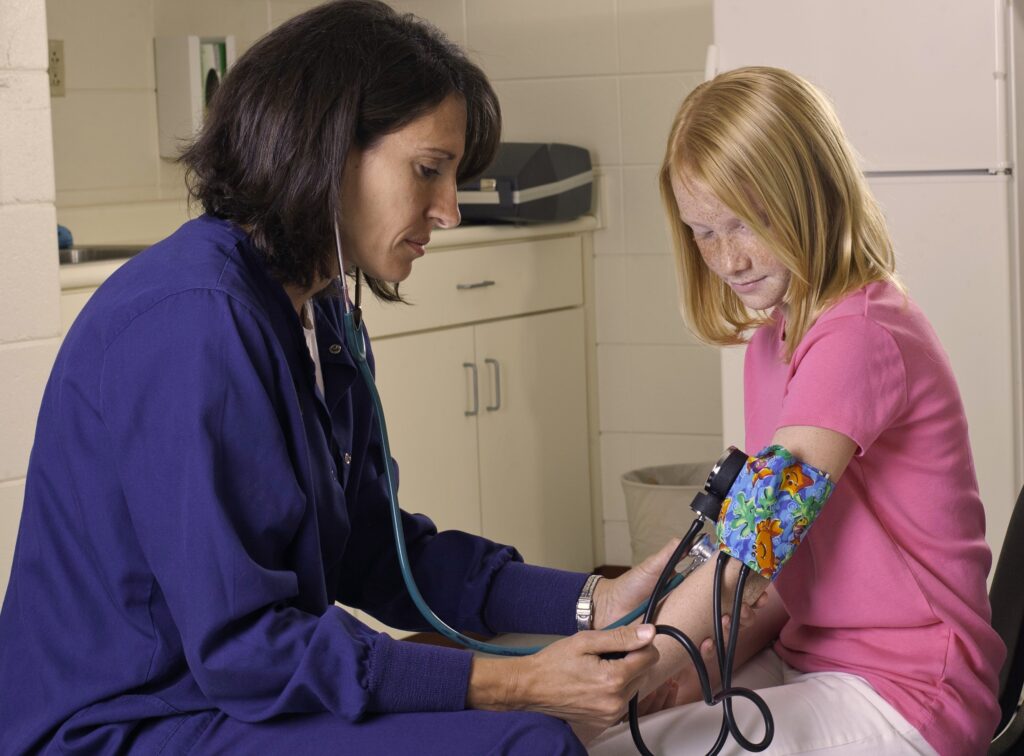
Over the past few decades, the role of the school nurse has expanded significantly. These days, they’re responsible for much more than treating scrapes or handing out medication. According to the School Nursing Practice Framework, their responsibilities now include coordinating physical and mental health care, leading campus-wide programs, advocating for health services at the district level, developing emergency response plans, and that’s just the beginning.
Even with all these responsibilities, school health staff are often under-resourced. Many schools only have access to a nurse part-time or share one across several campuses, according to the National Association of School Nurses and JAMA Health Forum. That means a single nurse may be responsible for hundreds or even thousands of students across multiple schools. Looking ahead, experts predict that school funding will continue to suffer due to enrollment declines, which could stretch these services even thinner.
Why It Matters
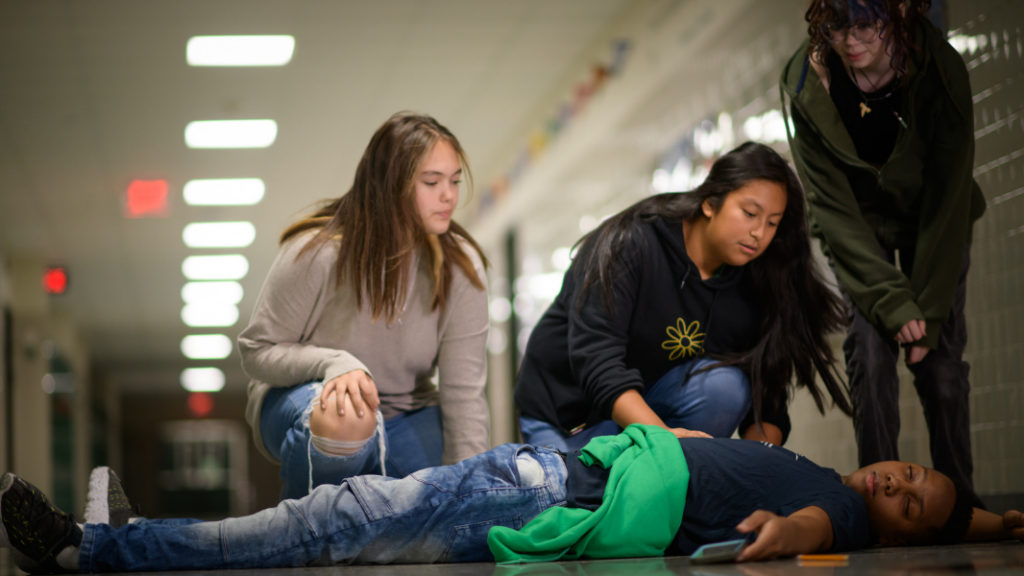
This lack of funding and staffing doesn’t just affect students’ day-to-day experiences; it can become a real safety issue during emergencies. Depending on the situation, some schools have teams dedicated to creating and practicing emergency plans. But in certain cases, including some health-related crises, the responsibility can fall entirely on the school nurse. And with everything already on their plate, there’s no guarantee that nursing staff have the bandwidth to create comprehensive plans, resources to execute them, or ability to be present when the emergency occurs. This can be disastrous when it affects preparedness for emergencies like Sudden Cardiac Arrest (SCA).
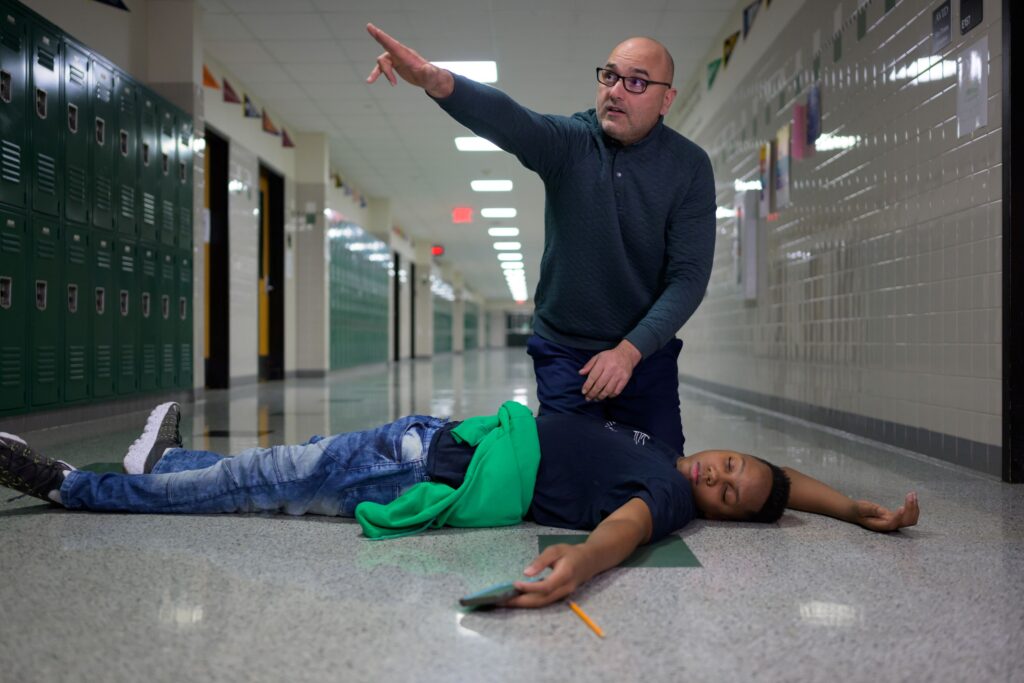
SCA can happen without warning, even to children who seem perfectly healthy. Each year, one in twenty-five high schools experiences an SCA on campus according to the American College of Cardiology. If there’s no clear plan, no equipment on hand, and no one trained to respond quickly, the results can be devastating.
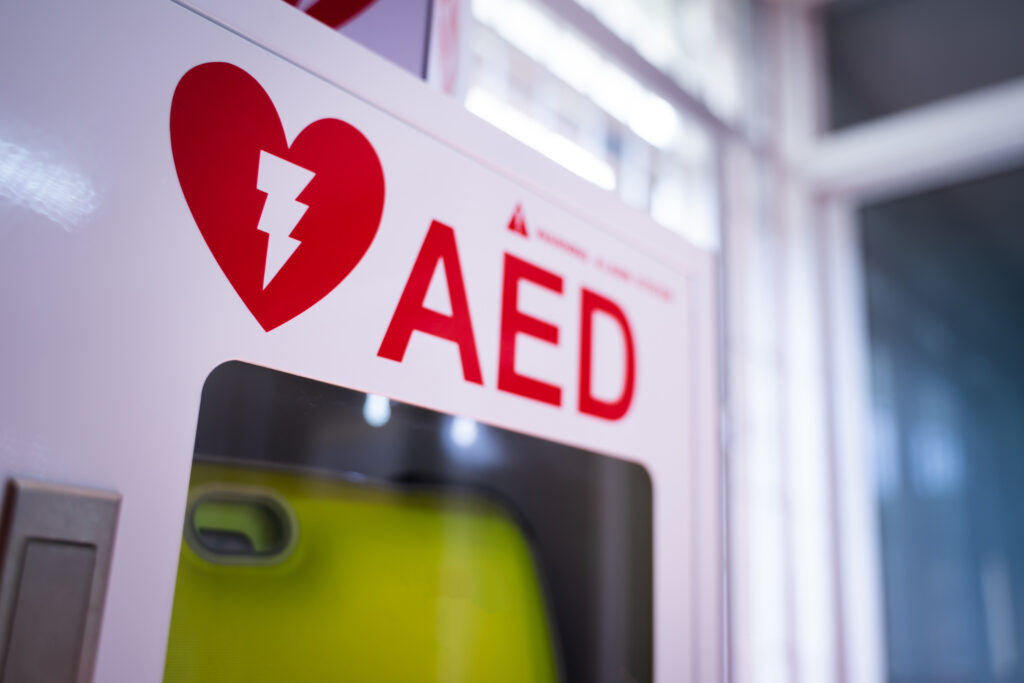
There are far too many real-life examples where students’ lives were lost because schools weren’t prepared. In Adam Lemel’s case, there was no AED available. For Brock Ruether, there was an AED on site, but no one nearby knew how to use it. These are tragedies that might have been prevented with better support and resources. But with ongoing funding challenges at the state and federal level, schools often have to look elsewhere for support or try to make do.
A Unique Opportunity to Meet The Need
This is where PTOs can play a powerful role. These groups are in a unique position to help schools close the gap in health emergency preparedness, using the same skills and approaches they already apply in other areas of campus life.
By working with the school staff who manage emergency planning, PTOs can help ease the burden. That might mean raising funds for critical equipment, helping coordinate emergency drills under the direction of school staff, bringing in training experts, or partnering with science-based organizations like the American Heart Association. PTOs can also be strong advocates for policy change, working at the district or state level to ensure schools meet consistent standards or get the funding they need.

Where To Start
Getting involved in something as serious as emergency planning requires the right approach. The first step is to have an open, respectful conversation with your school’s leadership. Let them know your PTO is interested in helping improve the school’s readiness for health emergencies. Ask who currently oversees that planning. It might be the principal, the nurse, or a team of staff.
Once you’ve connected, find out what’s already in place and where your PTO or PTA could be helpful. Some schools may have strong plans but need help keeping them updated or putting them into action. Others may be getting started and would welcome a partner to help build things from the ground up.
Throughout the process, it’s important to show appreciation for the professionals involved, especially the school nurse. These individuals carry a heavy load often with limited support. A constructive goal should be to lighten that load, not question their expertise. Approach the conversation with curiosity and a shared sense of purpose. Instead of focusing on what’s missing, ask what’s needed. See where your group can be most helpful and look for ways to support the school in a meaningful and collaborative way.

Picking A Project With Guardrails
For your first joint project, it can be helpful to choose one that already has a strong foundation and a clear path to impact. A great place to start is with Sudden Cardiac Arrest.
The American Heart Association recommends that every school have a Cardiac Emergency Response Plan (CERP): a written, practiced plan for how to respond to cardiac emergencies quickly and effectively. Schools that have a CERP in place see up to a 50% higher survival rate when cardiac arrests happen on campus , and this is an area where your PTA or PTO can help make a real difference.
The American Heart Association offers free tools and resources to support CERP development, and our team also works directly with schools to create customized plans based on their layout, staff, and student needs. We can assist with training, equipment guidance, and even help with implementation logistics.
If you’d like to explore how we can support your school in building or strengthening a CERP, just fill out the short form below to start the conversation.